Get in touch with us at yashkdesigns@gmail.com

Team of 2
• Yashwanth: Game Designer & Developer ( Narrative Design, UX/UI, Interaction Design, Level Design, Assets )
• Kayden: Illustration and Assets
4 weeks
Time
VR Horror Game

TRAILER
_edited.jpg)
Problem Statement
Many gamers have become emotionally desensitized to traditional 2D horror games, making fear and suspense less impactful.
This project is set out to restore genuine emotional engagement by leveraging VR’s immersive qualities —darkness, sound, and physical presence, to create a horror experience that truly connects with players and delivers unforgettable scares.
Solution
Why VR?
VR offers unmatched immersion by engaging players’ senses and emotions in 360° environments, making horror experiences feel immediate and real.
Guiding Theories
Presence Theory: Maximizes the feeling of "being there" to enhance emotional involvement.
Flow Theory: Maintains engagement and immersion without breaking the continuity of experience
.png)
.png)
Goal
The goal is to immerse players in a suspenseful VR horror environment where they must interpret clues, navigate the space, and manage fear triggered by dynamic jump scares.
By the end, players will master continuous movement, head-based interactions, and key-driven progression while following a compelling storyline.
Interaction Design
Adaptability and Stress Management
Adaptability & Stress Management: Players learn to handle unexpected scares and stressful moments, building emotional resilience in high-pressure environments.
Exploration and Discovery
The game rewards curiosity, encouraging players to uncover hidden areas and secrets for a richer, more educational experience.
Narrative Comprehension and Engagement.
Narrative Engagement: Interactive storytelling and environmental clues keep players deeply involved, improving their understanding and retention of the game’s complex narrative.

.png)
Research
VR gaming can enhance cognitive function and offer therapeutic benefits, but may also cause motion sickness and anxiety. While it promotes physical activity and coordination, risks include poor posture and strain.
Research Gaps
Current research lacks sufficient data on the long-term effects of VR gaming. There is a need for more studies involving diverse populations to ensure broad applicability.
Concept UI for Desktop version


The WHY's?

Why Horror and This Story?
-
Chose horror for its unique ability to immerse players in suspense and fear, which is essential for a VR experience.
-
The story, inspired by a documentary about Dorothea Puente’s, blends real elements with our imagination to deepen emotional impact and drive player engagement.

Why Lighting?
-
Lighting is key to creating the horror mood.
-
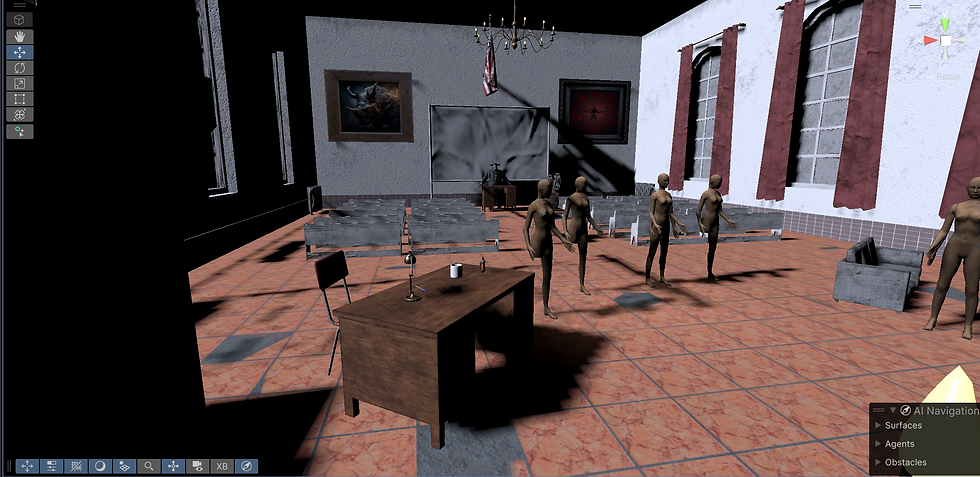
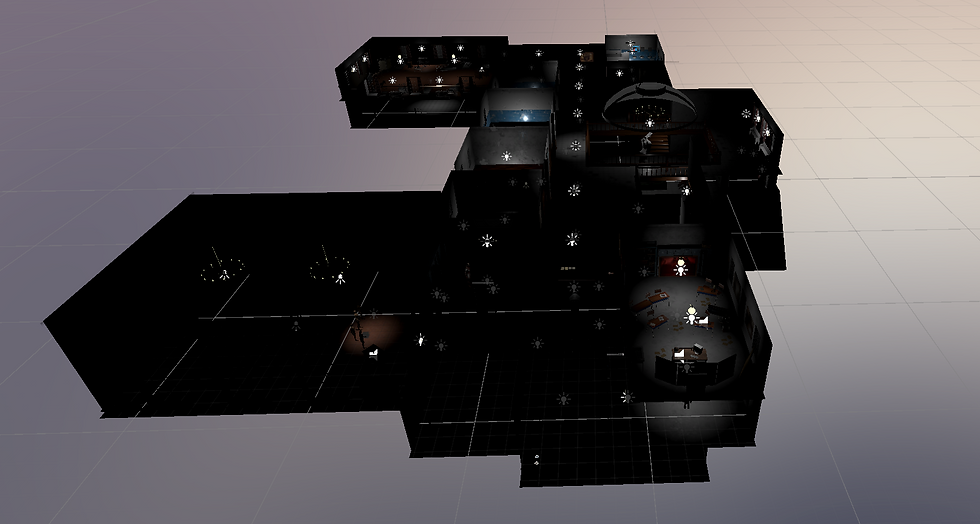
We used low-intensity point lights for basic visibility and spotlights to guide player attention to important clues.
-
This balance intensifies fear, while the player’s torch navigation adds immersion and a sense of vulnerability.

Why Clue and Environmental Design?
-
The clues and environmental art were designed to tell a cohesive story and deepen immersion.
-
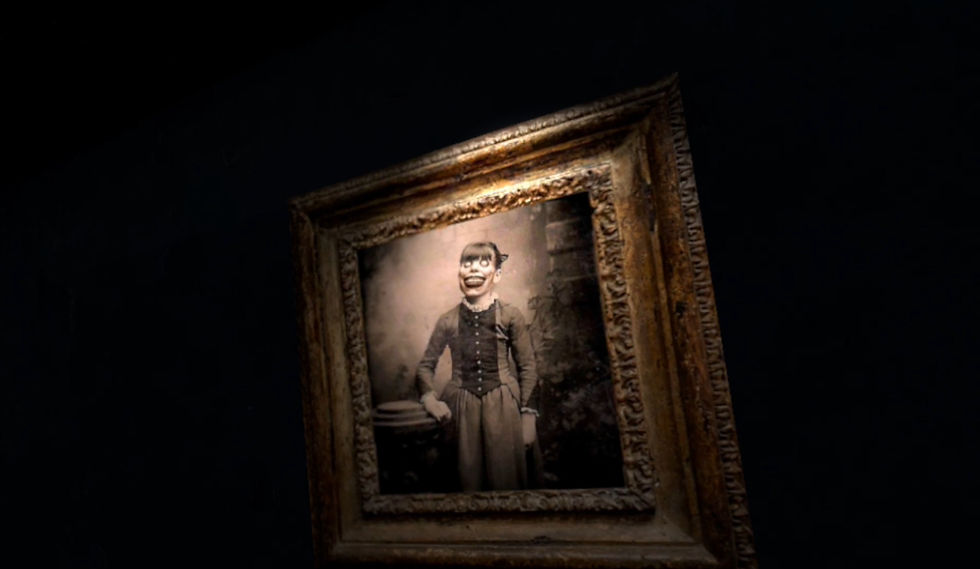
Blood-stained papers with fingerprints reinforce the horror narrative, while wall art subtly reveals key lore—like the mutated human rhino—across different rooms.
-
Together, these elements encourage players to explore closely, piecing together the dark story through both visual and interactive details.

Why Audio Choices?
-
Handpicked realistic sounds to enhance immersion and distract players from game awareness.
-
Created voice dialogues using ElevenLabs.
Why Open World?
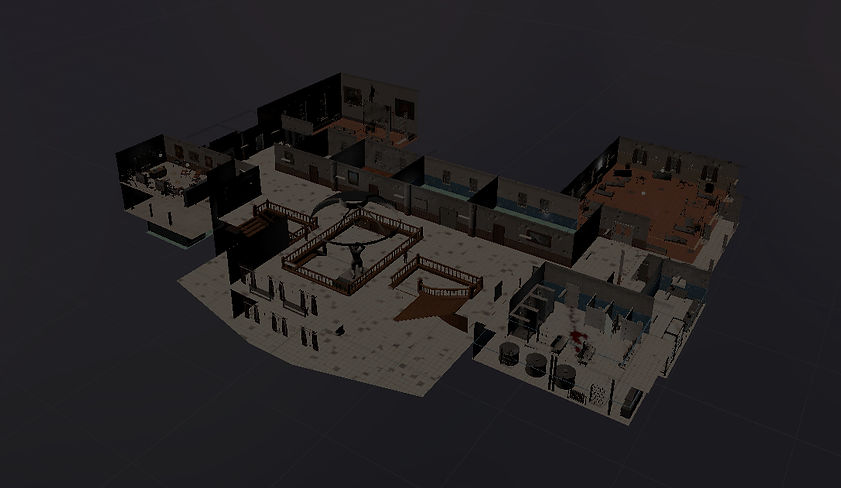
-
Encourages natural exploration and player agency while guiding objectives subtly.

Why Jumpscares?
-
Jump scares create sudden bursts of tension that heighten fear and keep players emotionally engaged.
-
Effective jump scares make the horror experience memorable by sharpening player awareness and maintaining suspense.
Snippets of the Game